What is World Wildlife Day?
On 20 December 2013 at the 68th Session of the United Nations General Assembly (UNGA), March 3 was declared United Nations World Wildlife Day (WWD). This day holds significance as the day that the Convention on International Trade in Endangered Species of Wild Fauna and Flora (CITES) was signed in 1973. The UNGA Resolution designated the CITES Secretariat as the facilitator for the global observance of this special day for wildlife on the UN calendar. UN World Wildlife Day has now become the global annual event dedicated to wildlife.
People everywhere rely on wildlife and biodiversity-based resources to meet our needs - from food, to fuel, medicines, housing, and clothing. For us to enjoy the benefits and the beauty that nature brings us and our planet, people have been working together to make sure ecosystems are able to thrive and plant and animal species are able to exist for future generations. So, let’s celebrate wildlife and the important conservation work being done around the world!
“Medicinal and Aromatic Plants: Conserving Health, Heritage and Livelihoods”
In 2026, World Wildlife Day (WWD2026) will shine a spotlight on the critical role of medicinal and aromatic plants.
Medicinal and aromatic plants (MAPs) are essential for both human health and ecological balance. Around the world, people collect and use MAPs, such as American ginseng (Panax quinquefolius), spikenard (Nardostachys grandiflora) and agarwood (Aquilaria, Gonystylus and Gyrinops species), for treating and preventing illnesses. The World Health Organization (WHO) recognizes their significance, particularly in developing countries, where 70-95 per cent of the population relies on traditional medicine for primary healthcare. These plants form the foundation of many healthcare systems and remain vital to modern pharmaceuticals, as numerous active drug compounds are derived directly or indirectly from natural sources, despite advancements in synthetic chemistry.
Beyond their medicinal uses, MAPs also contribute to various industries, including cosmetics, food, and luxury goods. The genetic resources derived from MAPs and traditional knowledge about MAPs have been used for diverse applications in agriculture, medicine and conservation. Ensuring the sharing of benefits arising from this use is essential and can provide incentives for conservation and sustainable use of wildlife (Target 13 of the Kunming-Montreal Global Biodiversity Framework).
Additionally, MAPs play a crucial role in supporting ecosystems by stabilizing soils, promoting biodiversity and providing essential resources for pollinators, such as bees and hummingbirds. However, many of these valuable species face growing threats from habitat destruction, overharvesting and illegal trade, making their conservation a global priority.
Approximately 50,000-70,000 medicinal and aromatic plant (MAP) species are harvested globally, of which around 1,500 are estimated to be listed in CITES Appendices and over 800 listed in CITES Appendix II. MAP cultivation and harvest practices secure vital resources for many households around the world, with one in five people relying on wild plants, algae and fungi for their food and income. MAPs can play a vital role in livelihood diversification for marginalized populations living in remote areas and serve as an important factor in the source countries' local economies. It is also critical to ensure equitable access to benefit-sharing for these local communities in the countries of origin. For example, the global revenue from traditional Chinese medicine was USD 83 billion in 2012. Annual expenditures in the traditional medicine sector in the Republic of Korea were USD 7.4 billion in 2009, and private spending for natural products in the United States of America was USD 14.8 billion in 2008. The European market for herbal supplements and herbal medicines is estimated to be worth USD 7.4 billion per year.
The conservation and sustainable trade of MAPs directly support the achievement of several targets of the Kunming-Montreal Global Biodiversity Framework (KMGBF); namely, Target 5 which calls for ensuring the sustainable use, harvesting and trade of wild species; Target 10 which emphasizes the need to manage and restore ecosystems that support biodiversity; and Target 9 which highlights the critical role of Indigenous peoples and local communities in conservation, recognizing their knowledge and sustainable practices. Over 20 per cent of plant species used globally for medicinal and aromatic purposes are considered to be threatened with extinction on the IUCN Red List, mainly due to overharvesting, habitat loss, climate change and unregulated or illegal international trade. Raising awareness, strengthening regulations and ensuring the sustainability of harvesting and trade are essential for these invaluable plant resources to survive in the wild.
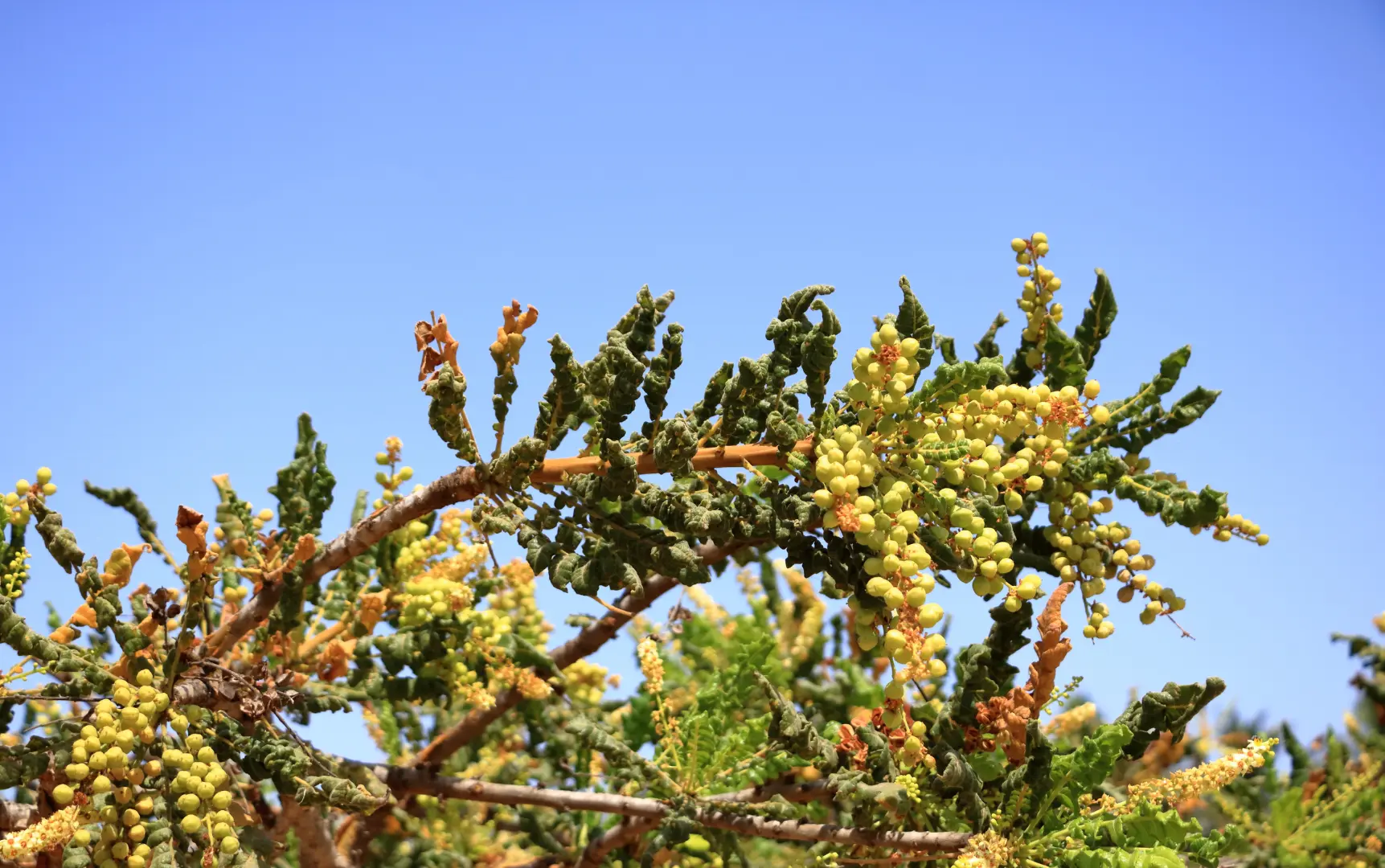
World Wildlife Day 2026 will serve as a platform to highlight the vital role of medicinal and aromatic plants in sustaining human health, cultural heritage, and local livelihoods. It will showcase the diversity of these species—from aloes and frankincense to orchids—their contributions to traditional knowledge and primary healthcare, and the growing pressures they face from habitat loss, overharvesting, and climate change. The observance will also explore the challenges encountered by Indigenous peoples, rural communities, governments, and conservation partners, and the collaborative actions needed to ensure that these plants are conserved and used sustainably for future generations to continue benefitting from them.
This year, the CITES Secretariat has partnered with the United Nations Development Programme (UNDP), Jackson Wild (host of the World Wildlife Day Film Showcase), and the International Fund for Animal Welfare (IFAW) (host of the World Wildlife Day International Youth Art Contest) to organize the high-level United Nations celebration event to take place on Tuesday, 3 March 2026 and to be livestreamed on the World Wildlife Day YouTube channel.
World Wildlife Day is for connecting people with the natural world and inspiring continued learning and action for animals and plants beyond the day.
Learn how to get involved
Learn more about the 2026 theme!