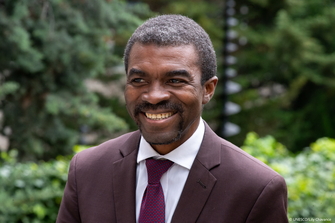
Dear colleagues and friends, our health is deeply connected to nature, from the plants we rely on for medicine to the ecosystems that sustain life.
Protecting biodiversity is also about protecting human well‑being.
On 3rd March, we celebrate World Wildlife Day in close alignment with the objectives of the World Heritage Convention, notably the protection of sites that conserve important plant species under the theme Medicinal and Aromatic Plants: Conserving Health, Heritage and Livelihood.
World Wildlife Day 2026 draws attention to the critical role these plants play at the intersection of health, culture, biodiversity and sustainable livelihoods.
In line with Sustainable Development Goal 3, medicinal and aromatic plants play a vital role in human health, cultural heritage and ecological balance.
They sustain traditional and modern medicine, support community livelihoods and local economies, and contribute to biodiversity by providing essential resources for pollinators and other species.
Moreover, the knowledge and practices of local communities are often intricately linked to them, as are their livelihoods.
However, in many places, including in World Heritage sites, these plants face growing threats from habitat loss, overharvesting, climate change and illegal trade.
World Wildlife Day 2026 offers an opportunity to celebrate conservation efforts, strengthen knowledge and awareness, and promote collaboration among governments, Indigenous peoples and local communities, and other stakeholders toward advancing the conservation and protection of medicinal and aromatic plants, among others.
It also shows that working together across countries through agreements such as the World Heritage Convention and the coming One Real Global Biodiversity Framework is essential to ensuring the sustainable use and protection of these invaluable resources.
UNESCO's recently launched publication Indigenous Knowledge, Ancestral Places: Navigating Change in UNESCO Designated Sites highlights the central role of Indigenous peoples and local communities as knowledge holders and stewards of biodiversity.
One of the stories featured in this book, from the Pimachiowin Aki World Heritage site in Canada, reminds us that the land carries so much medicine that the Anishinaabe people consider it Earth’s biggest pharmacy, as expressed by a representative of the Indigenous community.
On this occasion, let us reaffirm our collective commitment to safeguarding medicinal and aromatic plants—not only for the health benefits they provide today, but also for the heritage they embody, the environmental and cultural knowledge and practices intricately connected with them, and the livelihoods they sustain for generations to come.
Thank you.