Human-Wildlife Conflict and Coexistence: Shared Spaces, Shared Solutions for UN World Wildlife Day 2027
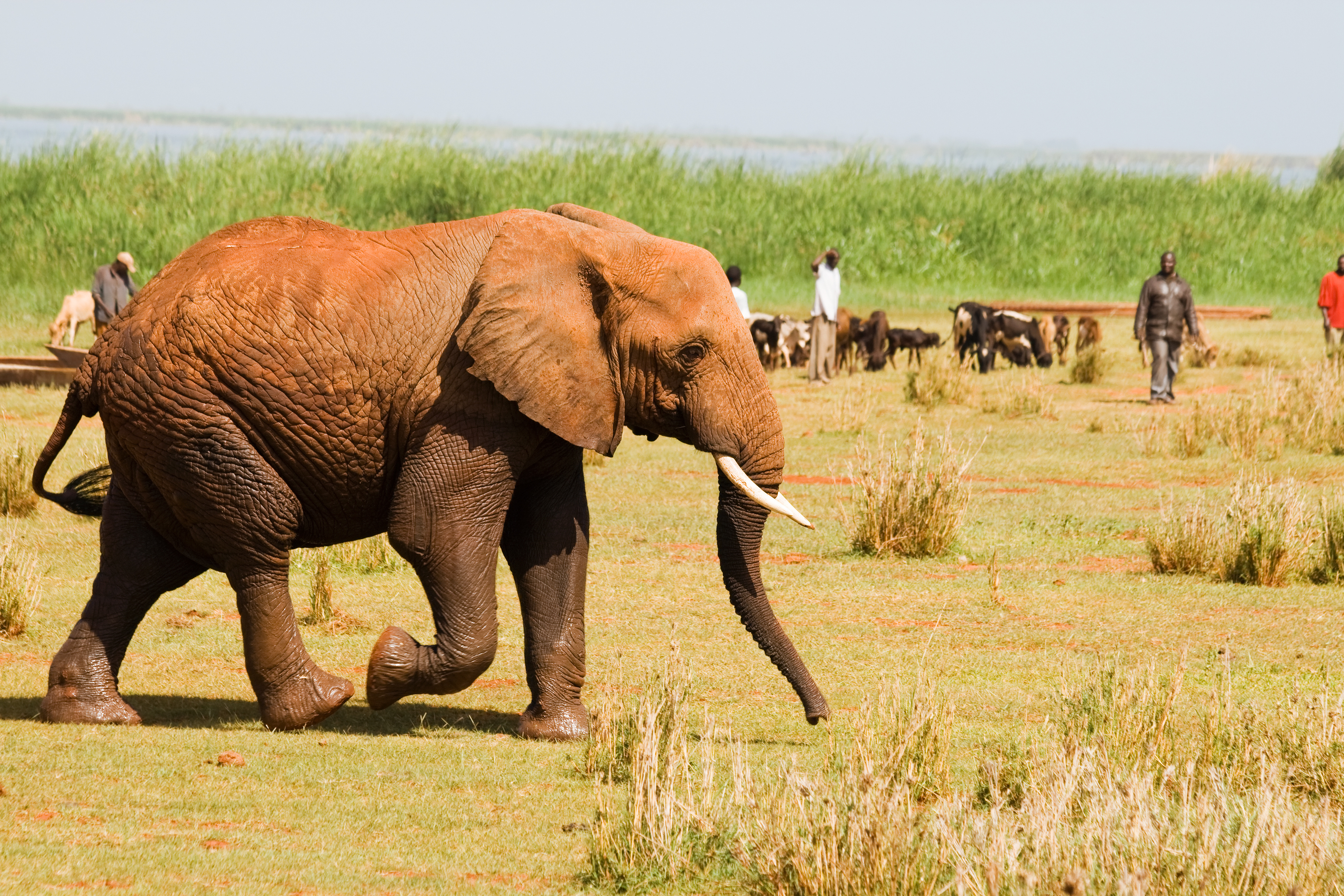
Geneva, 30 October 2026 – For thousands of years, people and wildlife have lived side by side, connected through the ecosystems they share. Wild species sustain critical ecosystem functions, from seed dispersal to pollination, and support livelihoods, food systems, cultural identities, tourism and economies around the world. Today, this relationship is being reshaped by infrastructure and agricultural expansion, invasive species, unsustainable and illegal wildlife trade, and the triple planetary crisis of climate change, pollution and biodiversity loss. At the same time, conservation successes are enabling some wildlife populations to recover and expand into former ranges, increasing interactions between people and wildlife and creating both challenges associated with conflict and opportunities for coexistence across landscapes and seascapes.
While many human-wildlife interactions generate ecological, social and economic benefits, others may lead to costs and risks for both people and wildlife. Human-wildlife conflict (HWC) arises when the presence or behaviour of wildlife poses actual or perceived threats to people's interests, livelihoods or well-being, often resulting in negative impacts for people and wildlife alike. Human-wildlife coexistence is a dynamic state in which people and wildlife share landscapes and the needs and interests of both are generally met through tolerance, adaptation and effective, locally appropriate management. For the more than 41,000 animal and plant species whose trade is regulated by the Convention on International Trade in Endangered Species of Wild Fauna and Flora (CITES), conservation depends not only on effective trade regulation, but also on people's willingness and capacity to live alongside wildlife.
Managing conflict, while ensuring that communities derive tangible benefits from wildlife, including through legal and sustainable trade, can strengthen support for conservation and create enabling conditions for the effective implementation of CITES. Successful approaches to promoting human-wildlife coexistence include wildlife-friendly land-use planning, community-based conservation, improved livestock and crop protection, compensation and insurance schemes and revenue-sharing mechanisms. The most effective solutions are interdisciplinary, locally led and developed jointly by Indigenous Peoples and local and rural communities, governments and scientists. They address not only the impacts of wildlife on people, but also the root causes of conflict and the factors that facilitate long-term coexistence.
In 2027, World Wildlife Day (WWD2027) will be commemorated under the theme: “Human-Wildlife Conflict & Coexistence: Shared Spaces, Shared Solutions.” This theme sits at the heart of the global wildlife conservation and sustainable development agenda, directly affecting people's safety, livelihoods and species survival. WWD2027 aims to raise awareness and build momentum around a challenge that is increasingly recognized in global biodiversity commitments, while showcasing practical solutions that enable people and wildlife to coexist wherever possible.
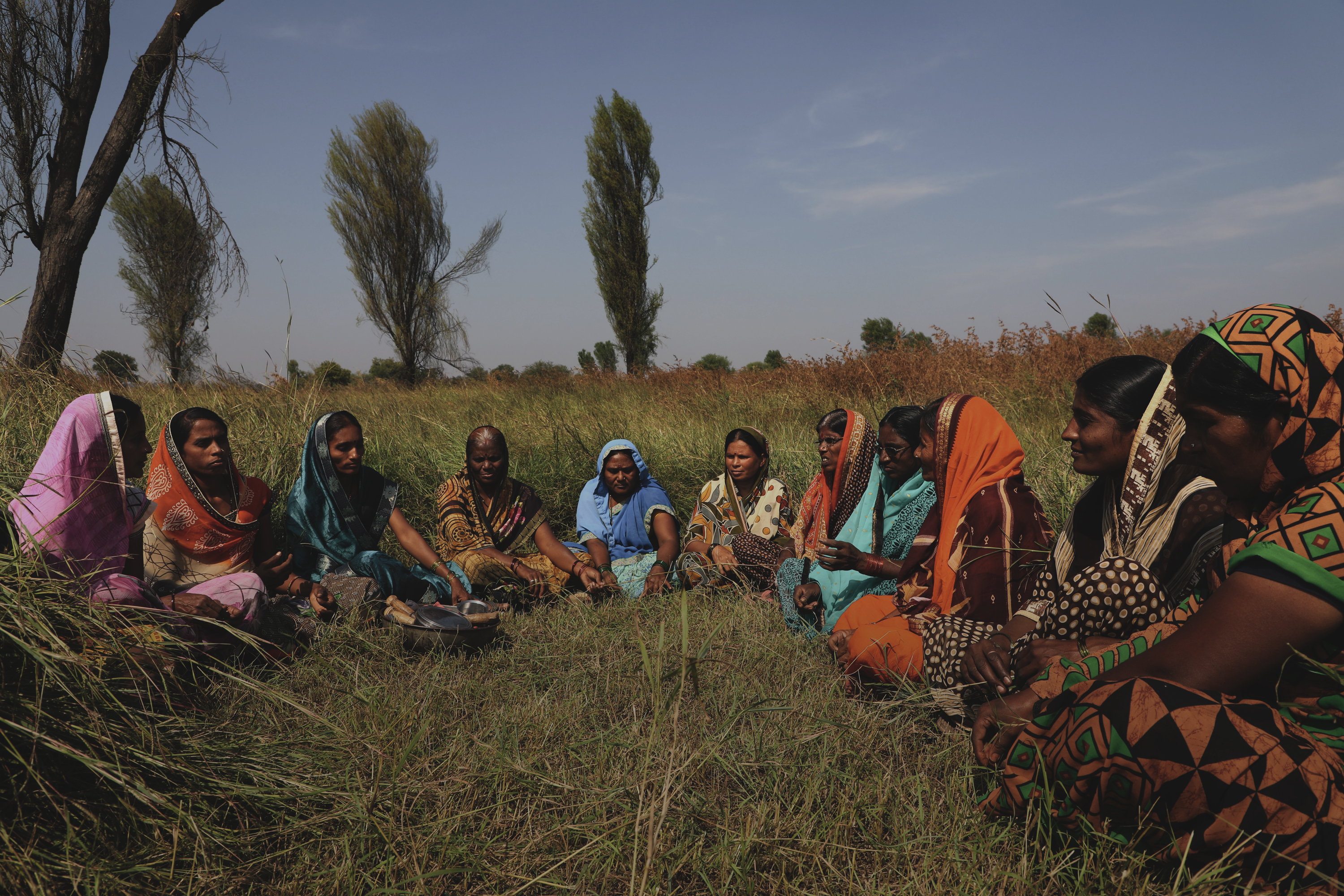
CITES Secretary-General Ivonne Higuero said: “Building coexistence between people and wildlife is essential to achieving the CITES Strategic Vision 2021-2030, advancing the Kunming-Montreal Global Biodiversity Framework, and delivering the Sustainable Development Goals. By supporting effective management of human-wildlife interactions and sustainable livelihoods for Indigenous Peoples and local and rural communities, and all those who live near or alongside wild species, including CITES-listed species, we can help secure a future that benefits both people and wildlife for generations to come.”
Organized by the CITES Secretariat in collaboration with the United Nations Development Programme (UNDP), the International Fund for Animal Welfare (IFAW), Jackson Wild, the International Union for Conservation of Nature’s Species Survival Commission’s Human-Wildlife Conflict and Coexistence Specialist Group (IUCN SSC HWCCSG), the Geneva Environment Network and other partners, WWD2027 activities will aim to:
- Celebrate Conservation Efforts – Showcase examples of efforts to foster human-wildlife coexistence sustainably, through high-level dialogue, local activities and creative media such as youth artwork, photography, and film.
- Strengthen Knowledge and Awareness – Provide policymakers, educators, and conservationists, youth, and the general public with data and insights on the complex dimensions of human-wildlife conflict and innovative approaches to reducing conflict.
- Encourage Research, Innovation and Partnerships – Connect government agencies, conservation organizations, researchers, and rural community leaders to exchange lessons learned and strategies for reducing human-wildlife conflict and moving towards long-term coexistence that benefits both people and wildlife.
Marcos Neto, UN Assistant Secretary-General and Director of UNDP’s Bureau for Policy and Programme Support said: “Communities closest to wildlife bear the brunt of human-wildlife conflict—and must help shape the solutions. Through UNDP’s work on nature, we support countries and communities to protect biodiversity and advance human well-being together. This World Wildlife Day, the message is clear: shared spaces demand shared responsibility. When people and wildlife thrive together, so does our planet.”
“People should not have to choose between protecting their livelihoods or protecting wildlife. From migratory elephant corridors in Africa to connected tiger habitats in India to marine shipping lanes shared with whales, IFAW is working with communities and partners to ensure coexistence is possible. Wildlife needs room to move freely, people need to feel secure, and both deserve a shared and hopeful future. This World Wildlife Day is an opportunity to demonstrate that coexistence is not simply an aspiration, but something we can all collectively build together,” said Azzedine Downes, CEO & President of IFAW.
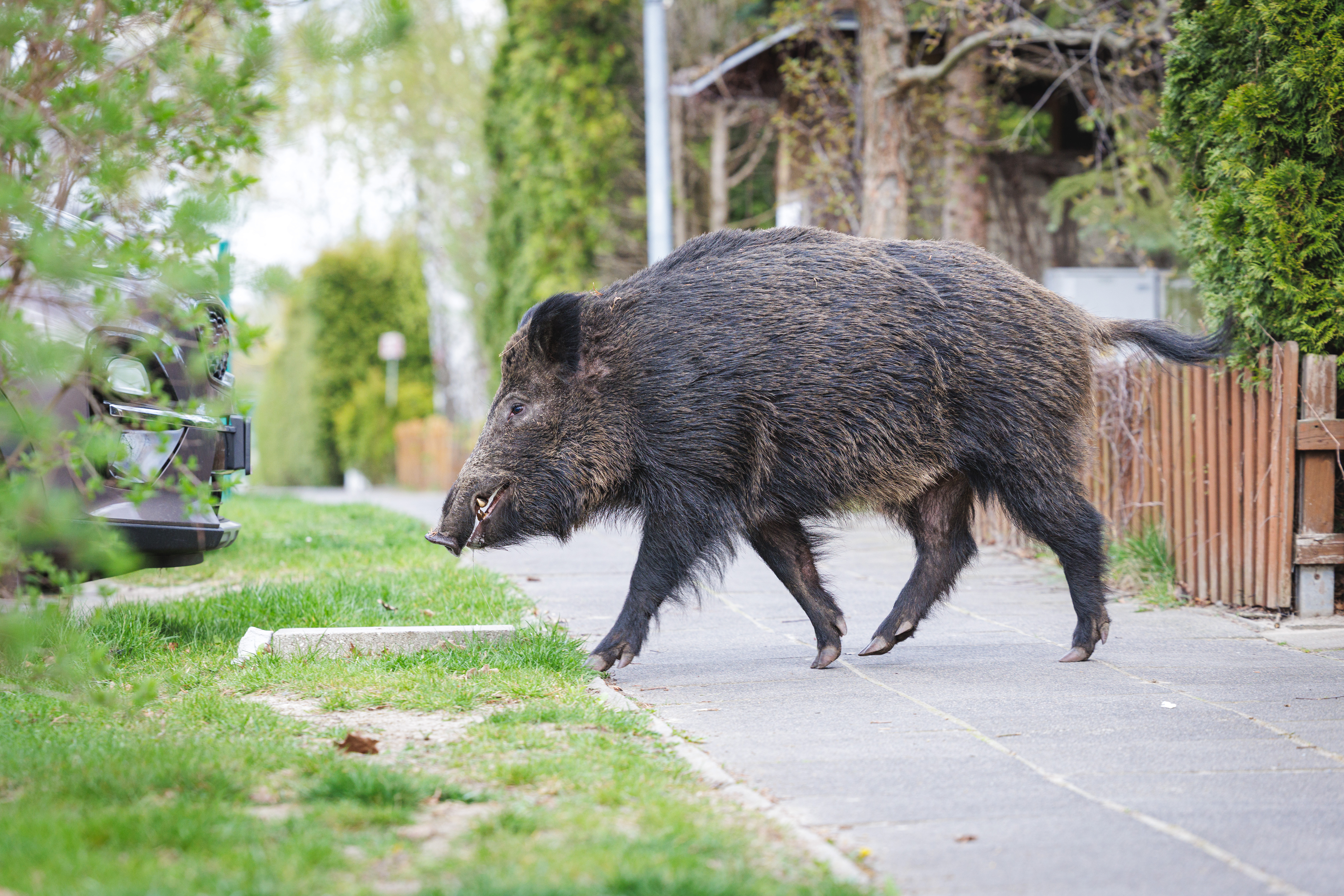
“Living alongside wildlife is one of the defining challenges and opportunities of our time,” said Christie Quinn, Executive Director of Jackson Wild. “Building on the mission of World Wildlife Day, the Film Showcase allows us to spotlight the stories and solutions showing that coexistence is not just possible, but already happening. Film uniquely helps us see these shared spaces through the eyes of the people who live in them, building understanding, empathy and hope.”
“Human-wildlife conflict is one of the most pressing conservation challenges of our time, affecting people and wildlife in every country. These situations are usually complex and rooted in long histories of relationships between people, and solutions depend on bringing together a range of expertise and insights. The forthcoming 2nd International Conference on Human-Wildlife Conflict and Coexistence will be a key global event for convening dialogue among governments, scientists, practitioners, and communities - creating space for shared learning for coexistence,” said Alexandra Zimmermann, Chair of the IUCN SSC Human-Wildlife Conflict & Coexistence Specialist Group.
The main high-level event for WWD2027 will be held on Wednesday, 3 March 2027 at the 2nd International Conference on Human-Wildlife Conflict and Coexistence, organized by the IUCN SSC HWCCSG, in Bangkok, Thailand, which was the original proponent of the UN General Assembly Resolution on World Wildlife Day. Online activities will include the annual Jackson Wild Film Showcase and IFAW Youth Art Contest. More details will be announced soon.
In line with the UN General Assembly Resolution proclaiming World Wildlife Day, the CITES Secretariat calls on all Member States and organizations of the United Nations system and other global, regional and sub-regional organizations, non-governmental organizations and all interested individuals, to:
- observe and raise awareness of the theme for World Wildlife Day 2027;
- organize local World Wildlife Day celebrations on the theme of Human-Wildlife Conflict & Coexistence: Shared Spaces, Shared Solutions;
- involve Indigenous Peoples, local communities and youth with experience and knowledge in wildlife conservation and trade in World Wildlife Day 2027 events and celebrations;
- make use of the World Wildlife Day logos and 2027 outreach material (coming soon) as widely as possible.
Updates and information about the celebrations will be ongoing and communicated via the World Wildlife Day website and social media channels.
Learn more about the #WWD2027 theme here.
_______________
Editor’s Notes:
For enquiries, please contact [email protected].
About the United Nations World Wildlife Day
On 20 December 2013, the 68th session of the United Nations General Assembly proclaimed 3 March as World Wildlife Day to celebrate and raise awareness of the world’s wild fauna and flora. The date is the day of the signature of the Convention on International Trade in Endangered Species of Wild Fauna and Flora (CITES) in 1973. World Wildlife Day has become the most prominent global annual event dedicated to wildlife.
For more information, follow World Wildlife Day on:
Find out more: https://wildlifeday.org/en